
DAVID BURNETT
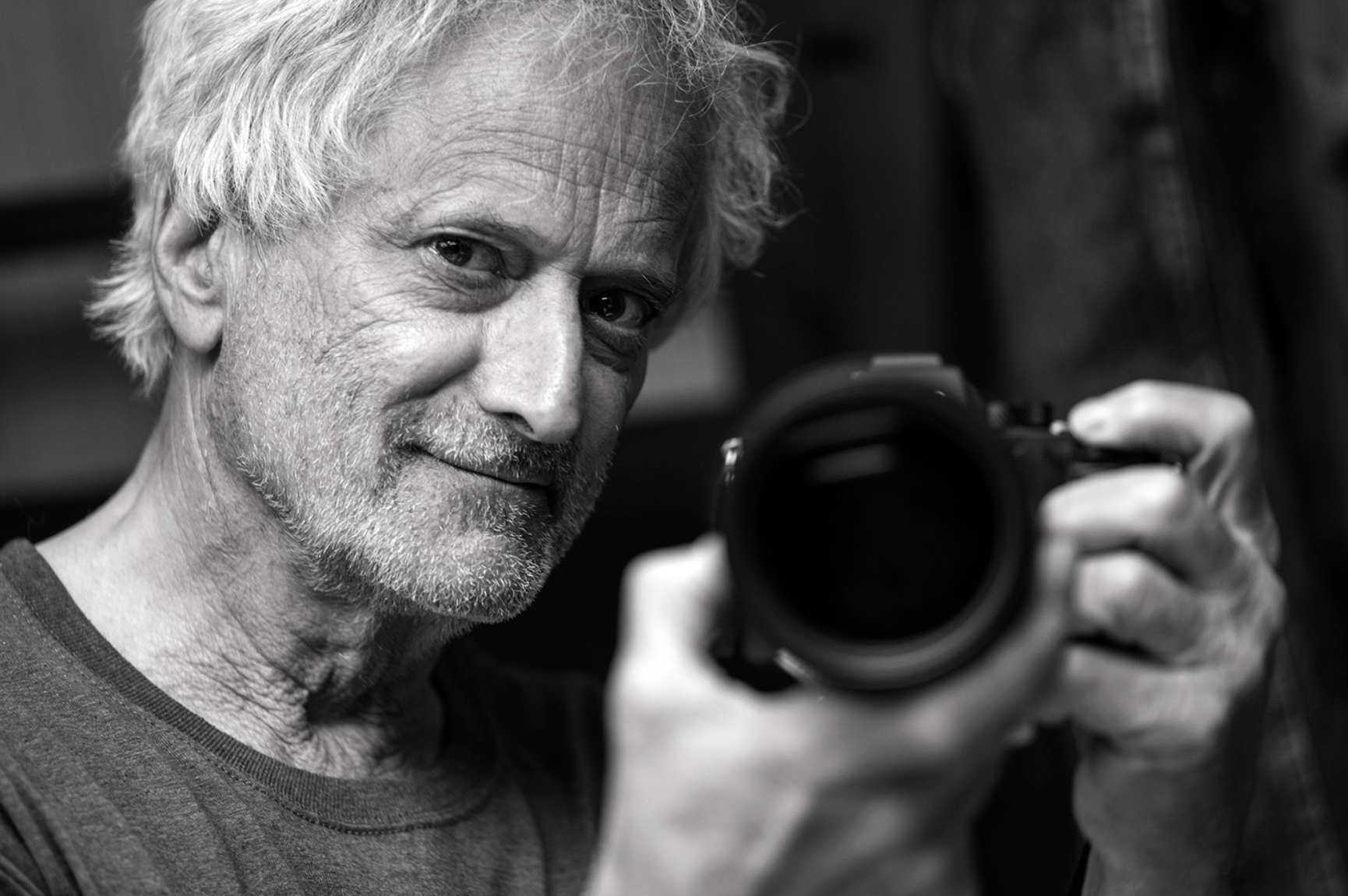
For the past seven decades, David Burnett has enjoyed a long and exciting career as a photojournalist, covering broad subjects all over the world. He started his photography journey in 1967, interning at TIME and Life magazine while covering the Vietnam War. He went on to photograph for publications such as The New York Times, The New Yorker, and Fortune and has received various awards and recognition for his work. In 1975, He went on to co-found Contact Press Images, the New York-based photojournalism agency. Burnett was named one of the “100 Most Important People in Photography” by American Photo Magazine.
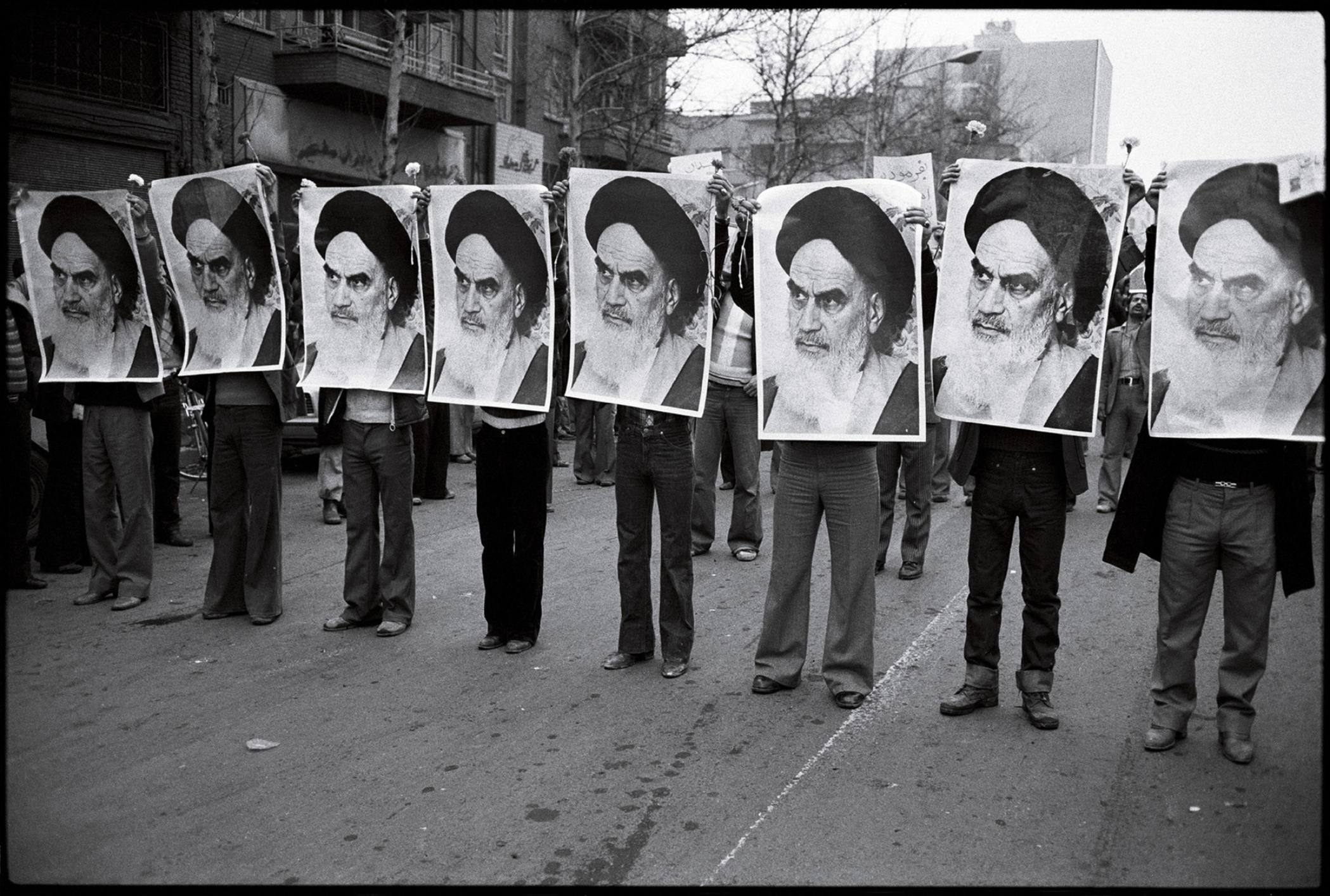
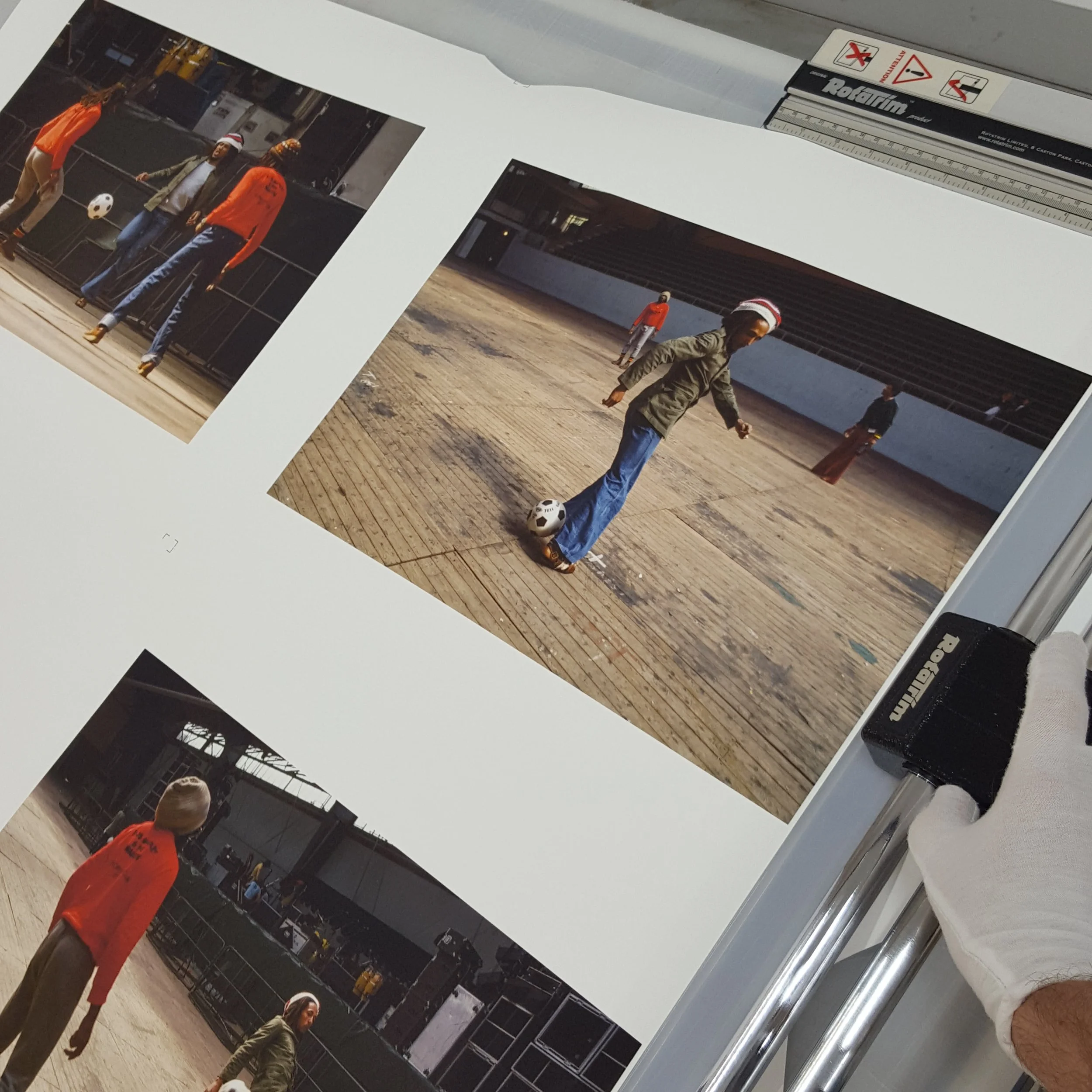
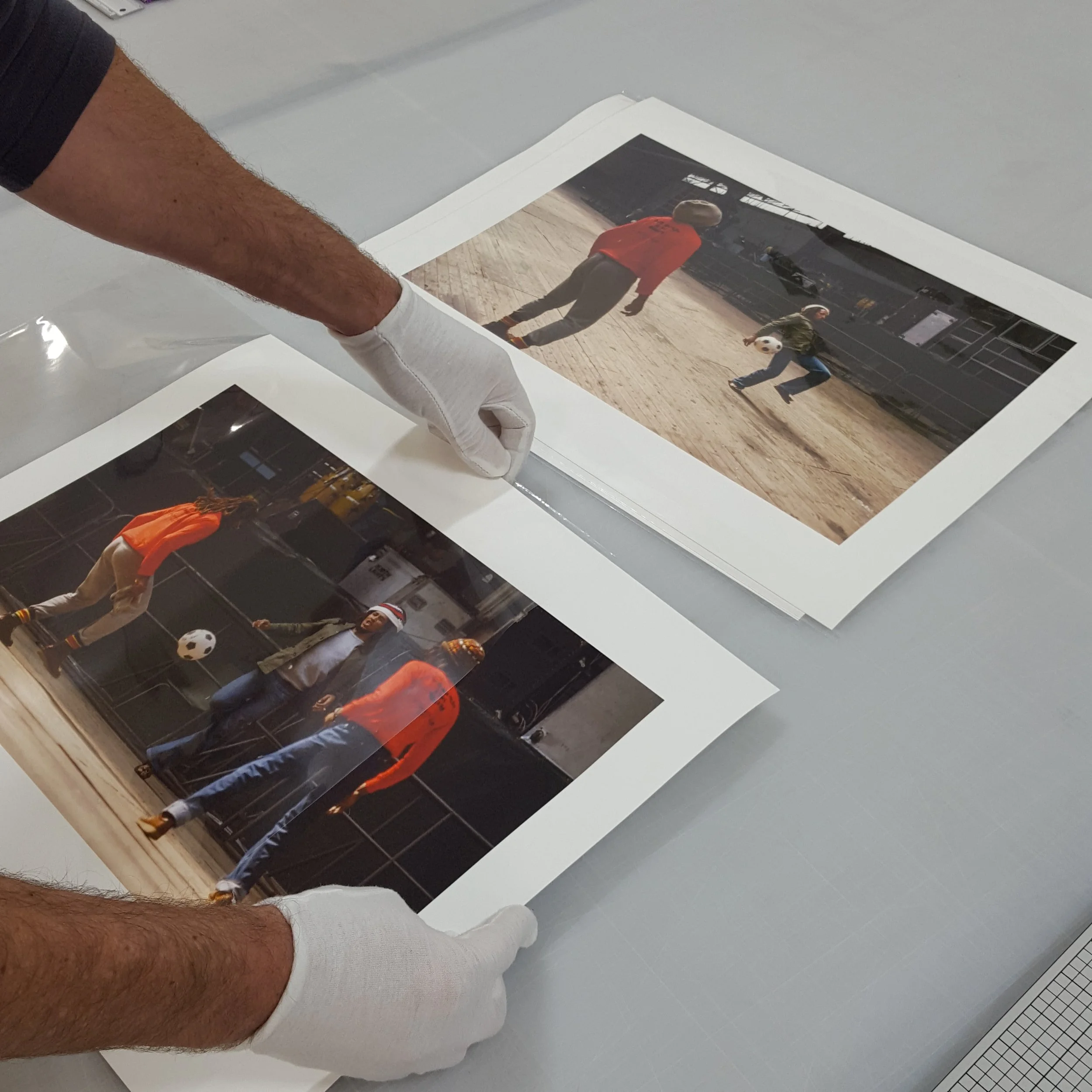
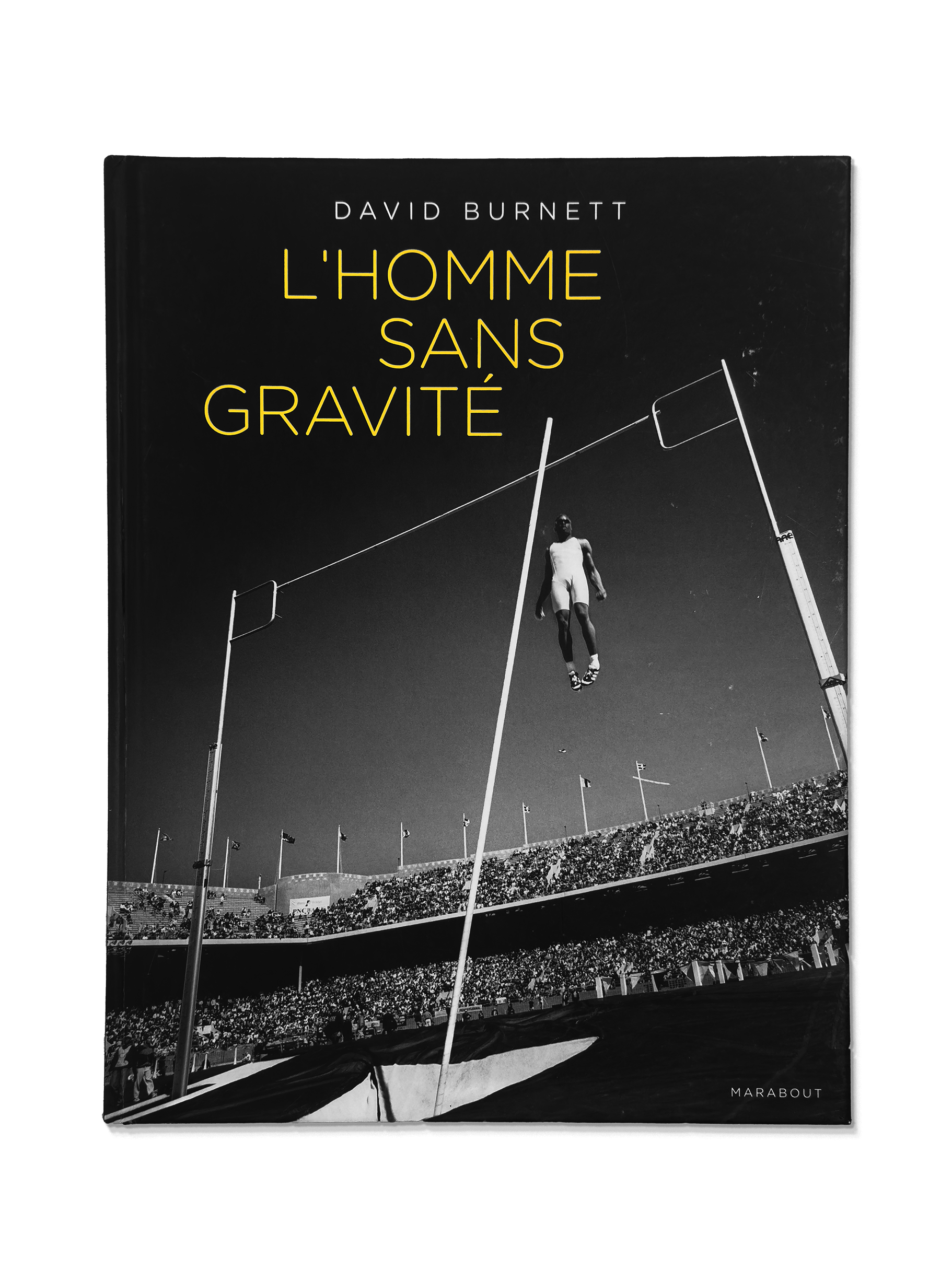
Burnett’s subject matter is quite diverse, covering a range of topics from sports, war, natural disasters, and music. He has photographed prolific figures such as Bob Marley and has an extensive catalog of publications and exhibitions. Burnett has authored the books, The Spirit of Sport (1997), Soul Rebel, An Intimate Portrait of Bob Marley (2009), Iran and the Remaking of the World (2010), and most recently, Man Without Gravity (2015).
DOT X DAVID BURNETT
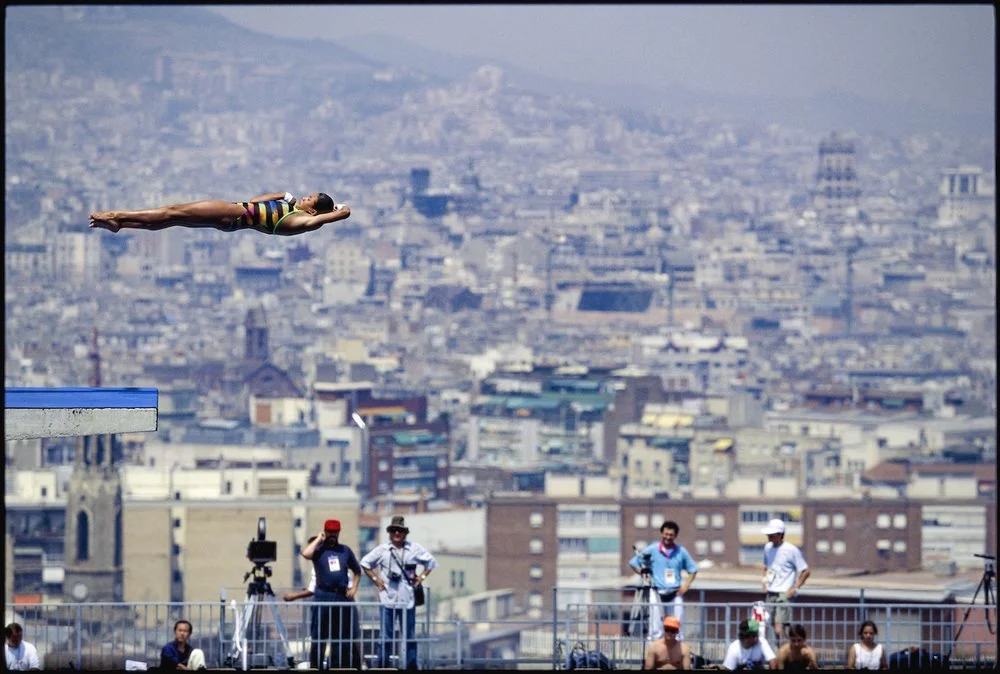
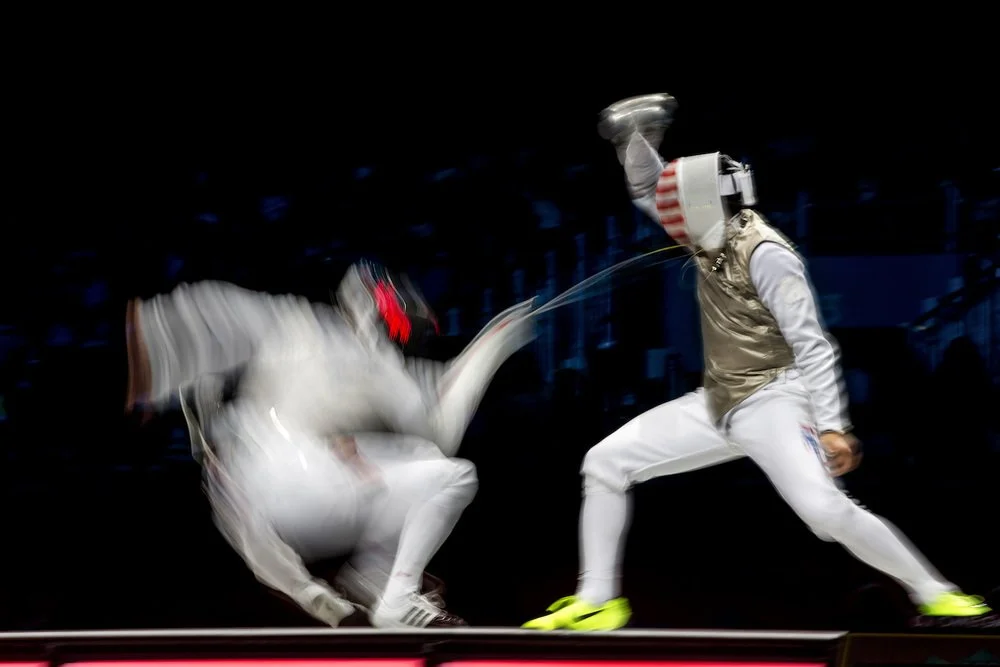
SPORTS COVERAGE
Take a minute to write an introduction that is short, sweet, and to the point. If you sell something, use this space to describe it in detail and tell us why we should make a purchase. Tap into your creativity. You’ve got this.
HURRICANE KATRINA
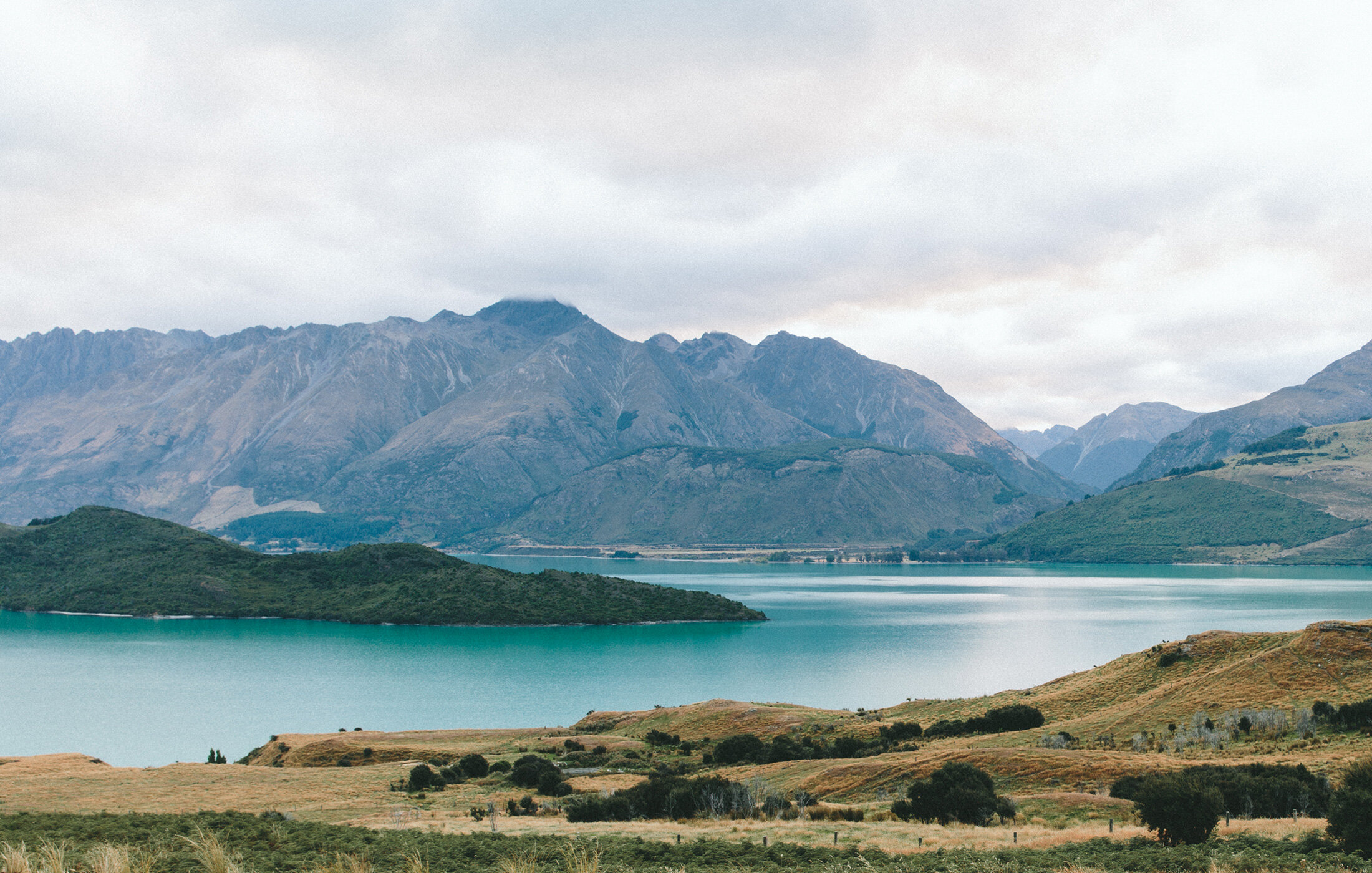
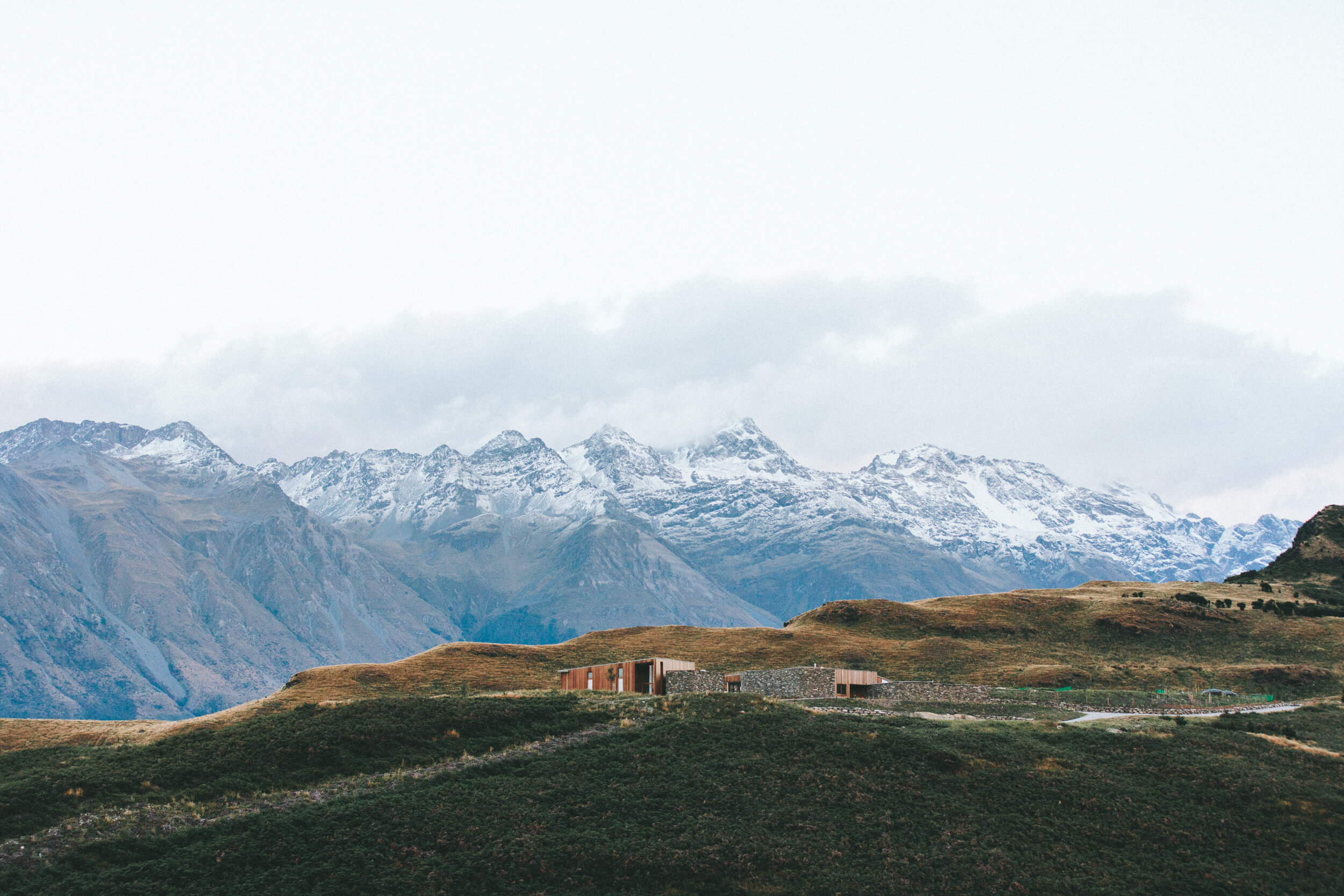
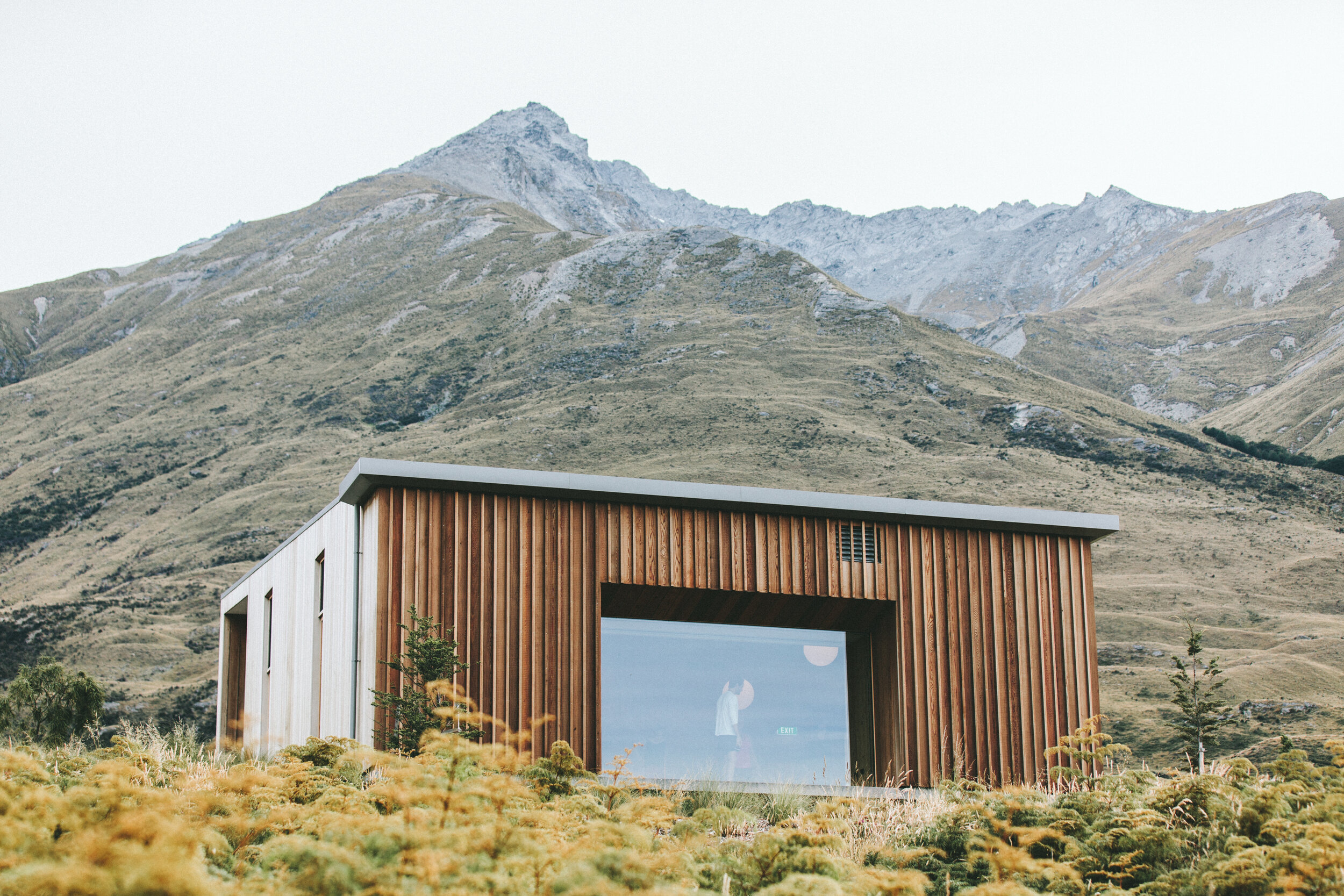
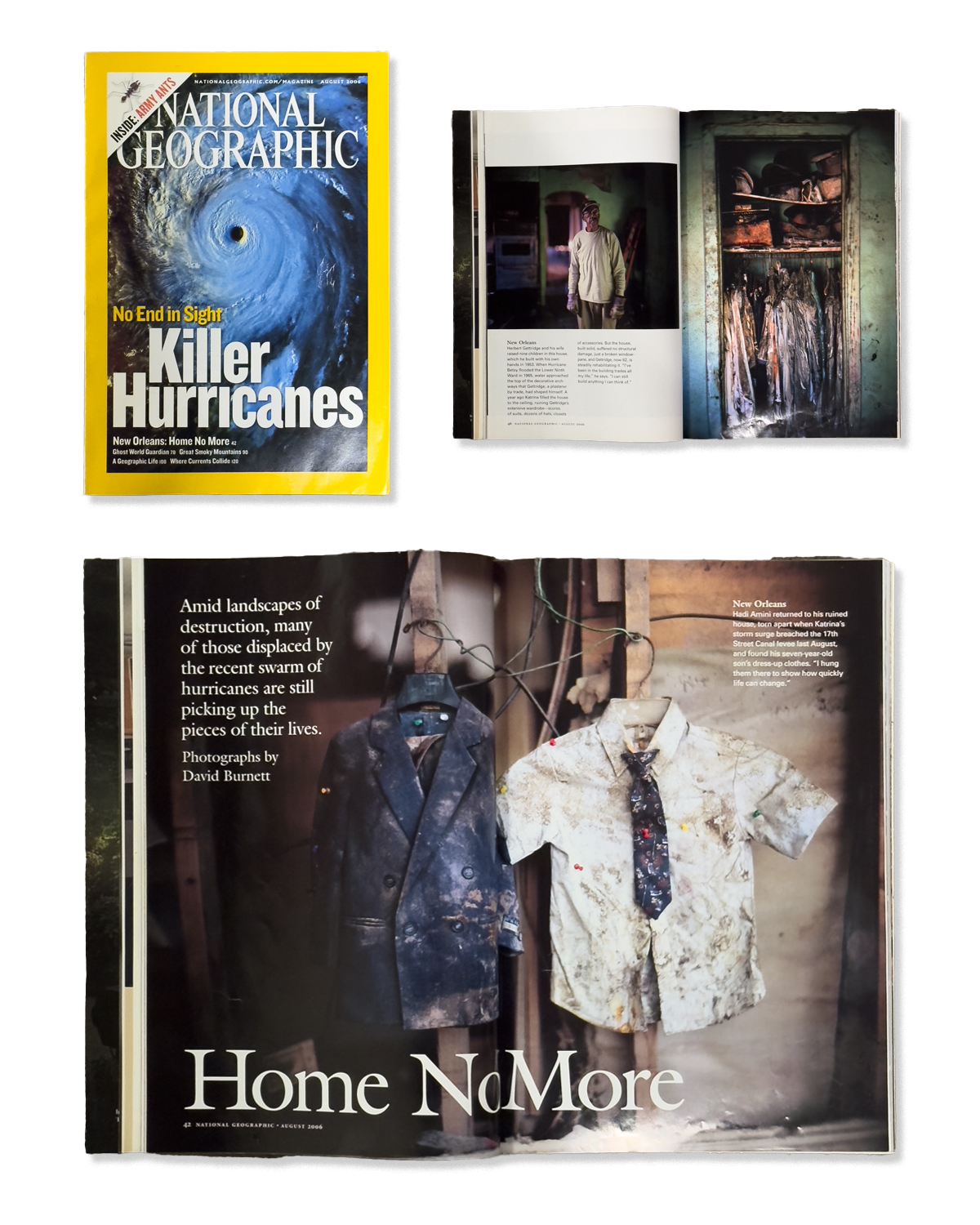
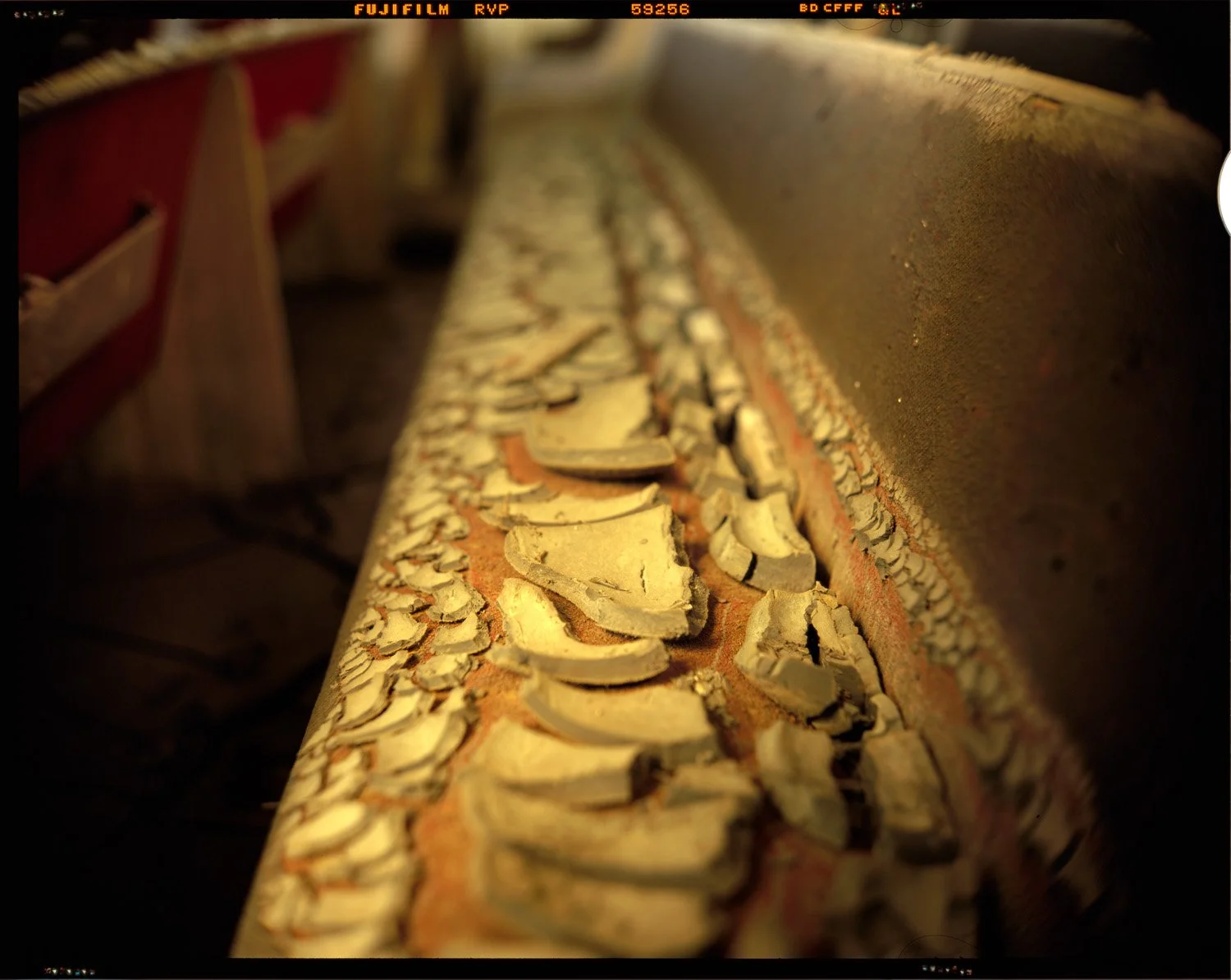
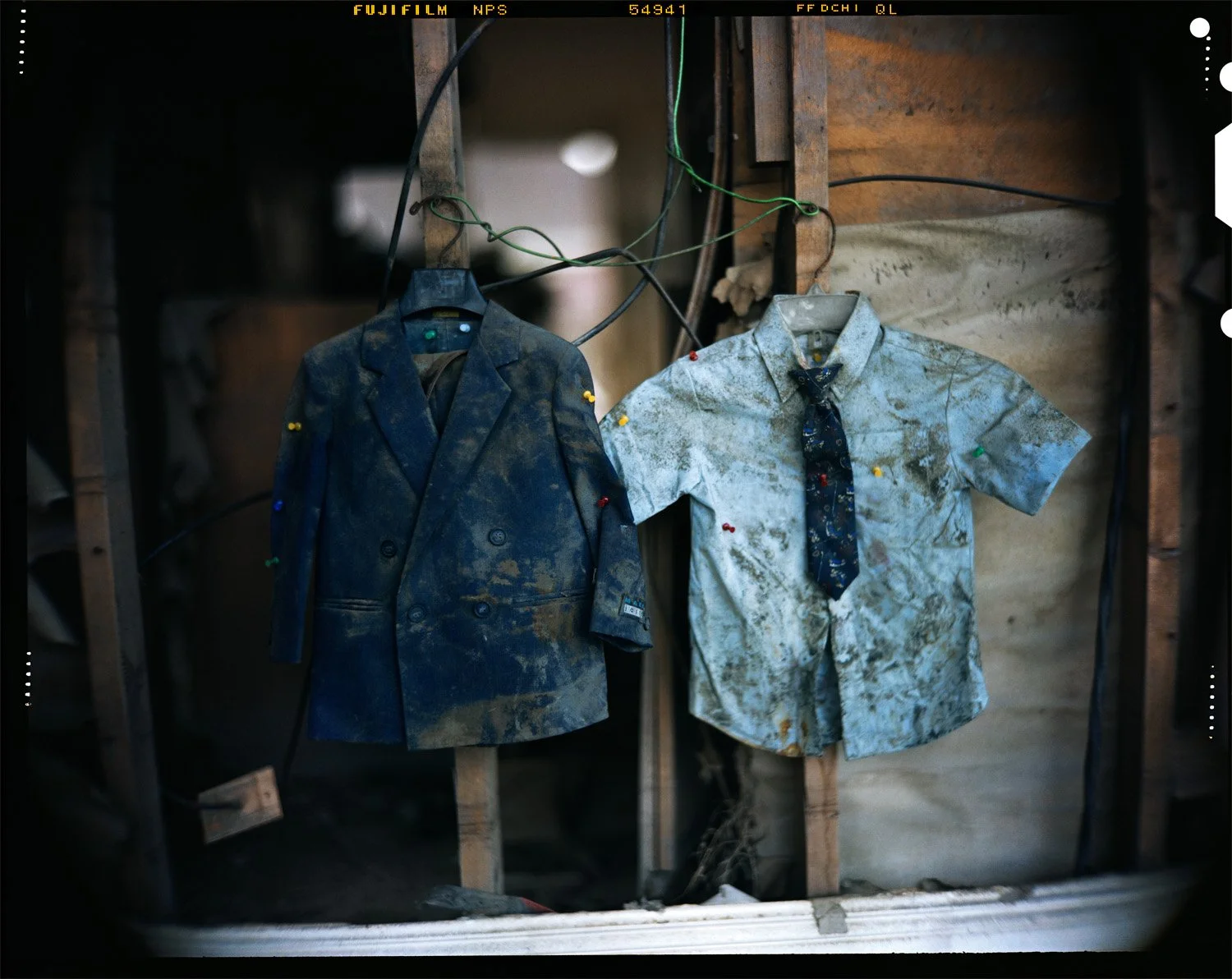
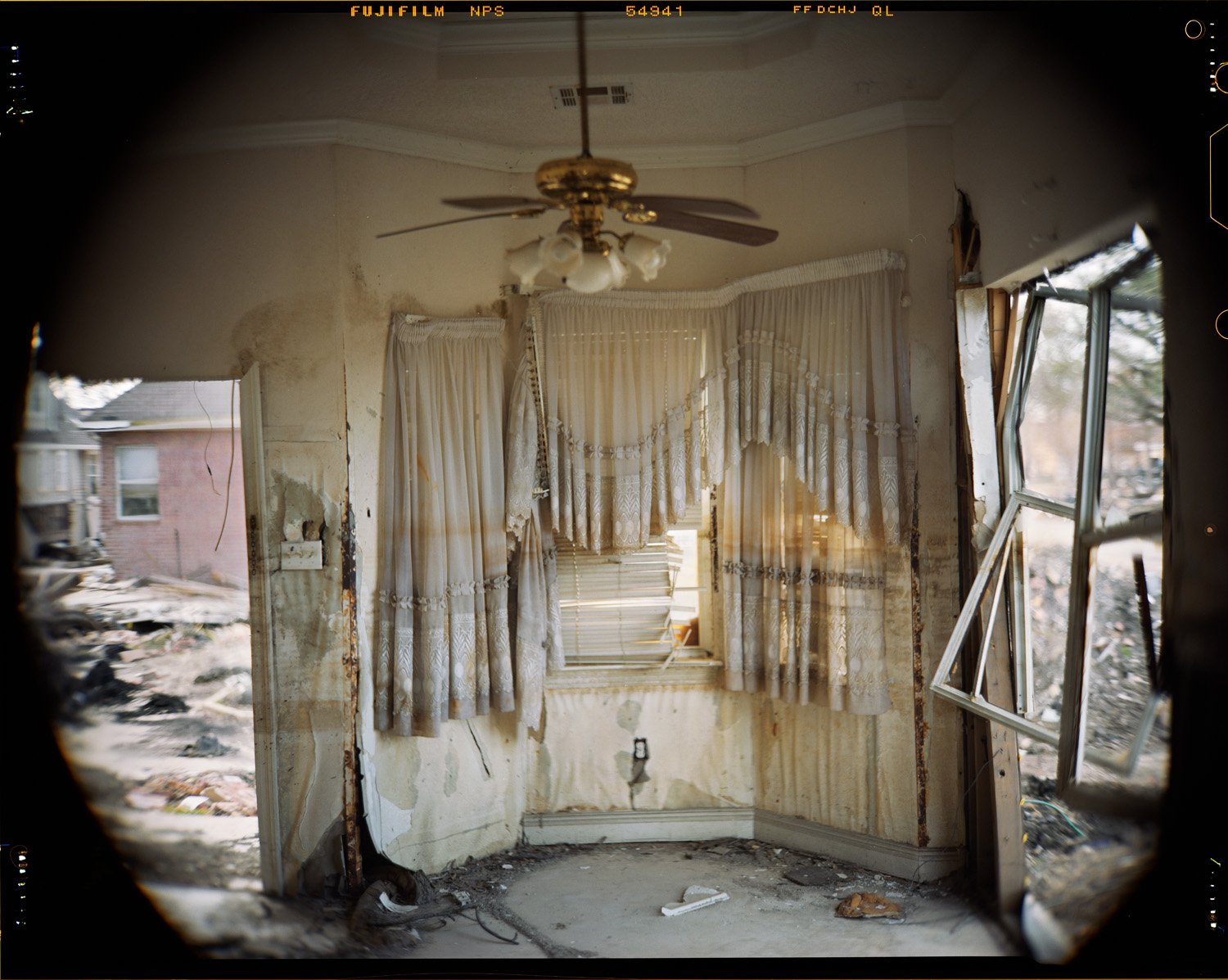
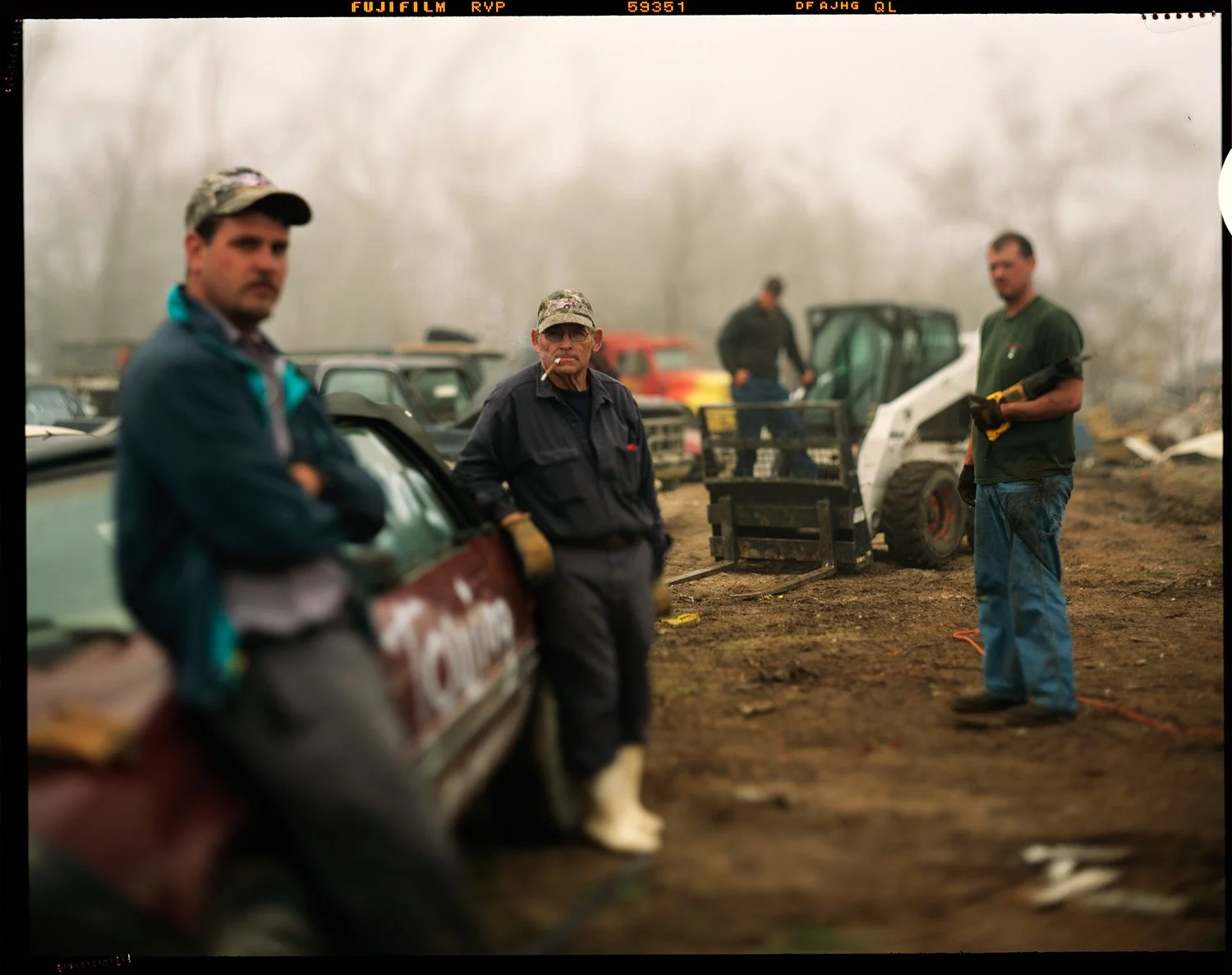
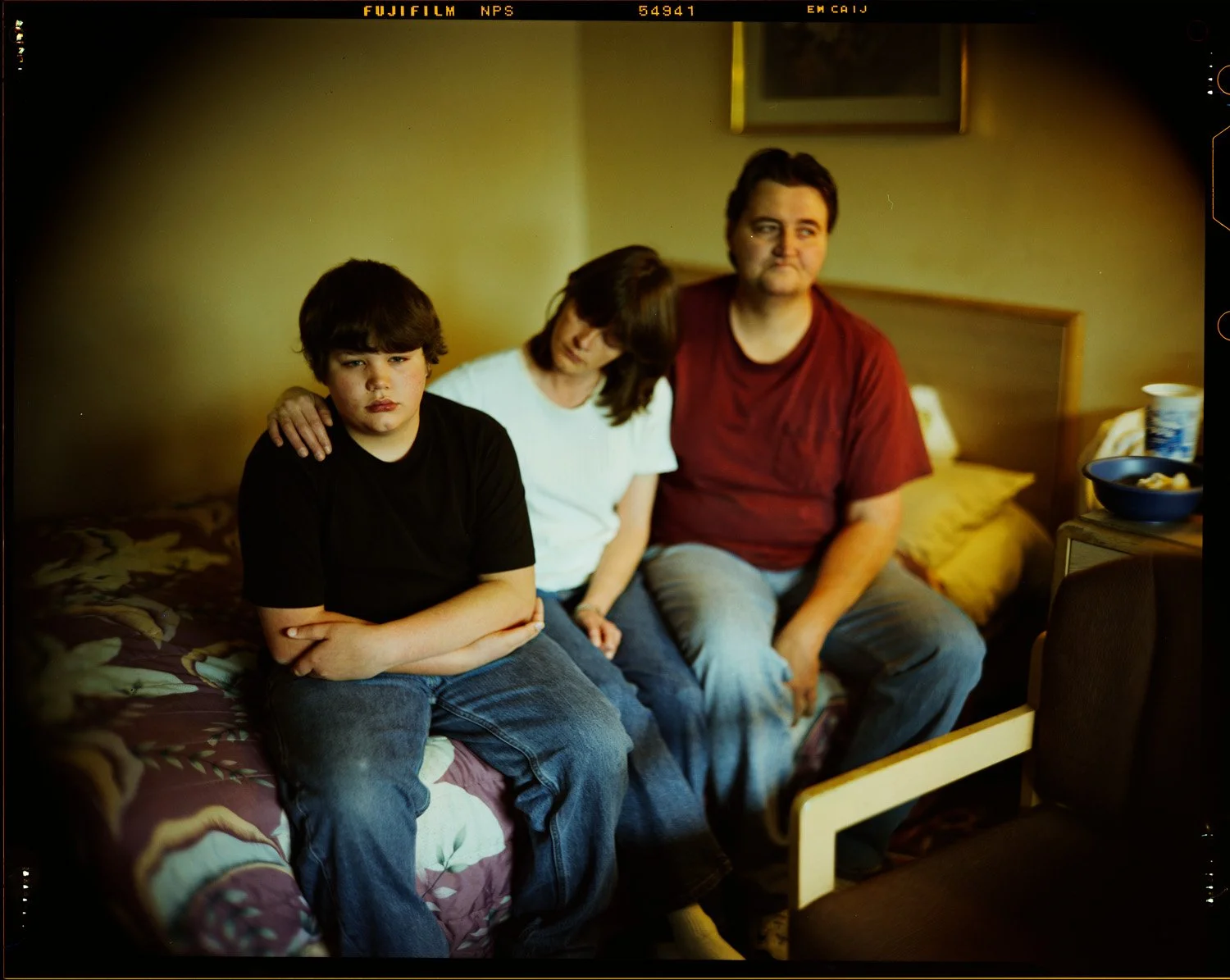
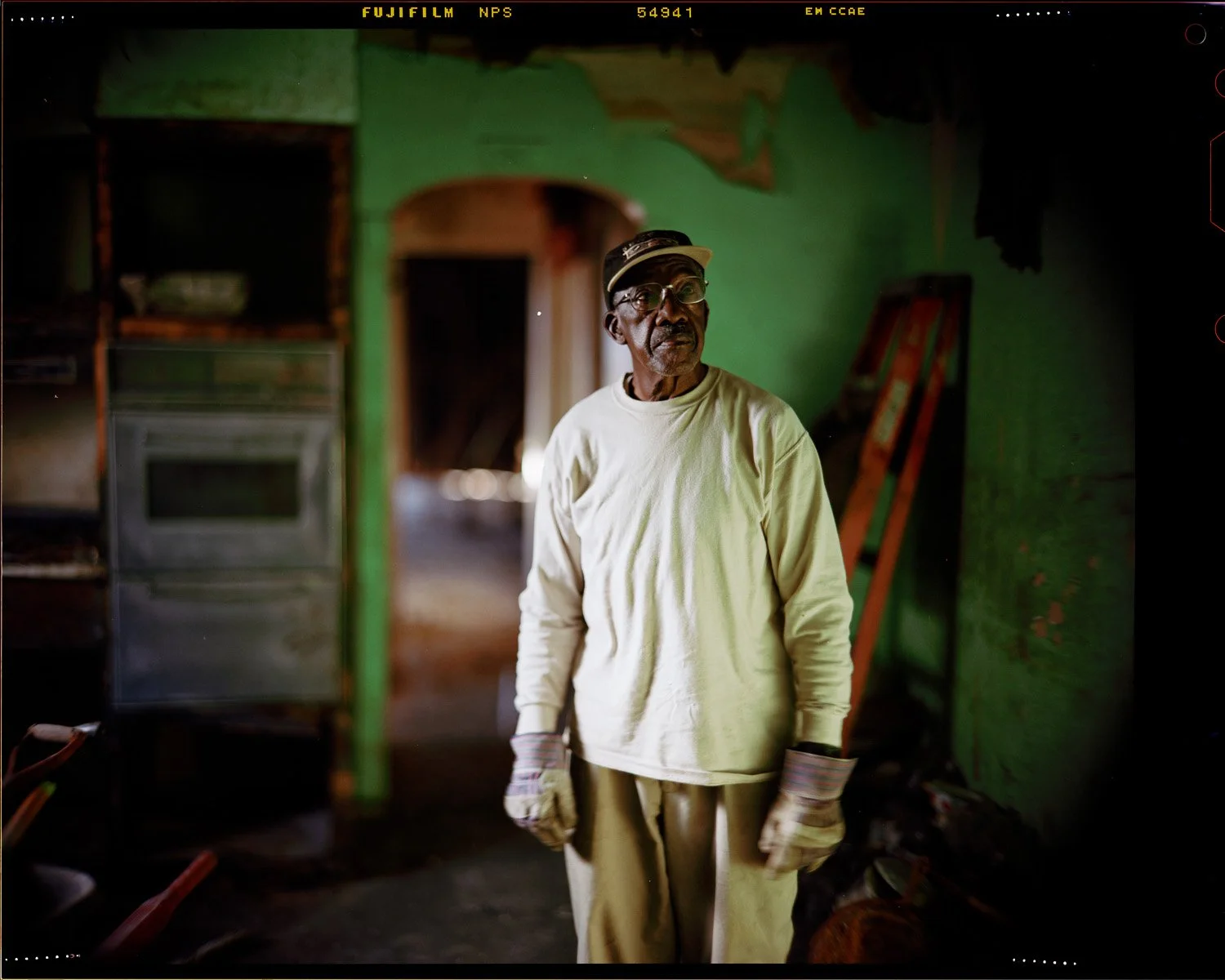
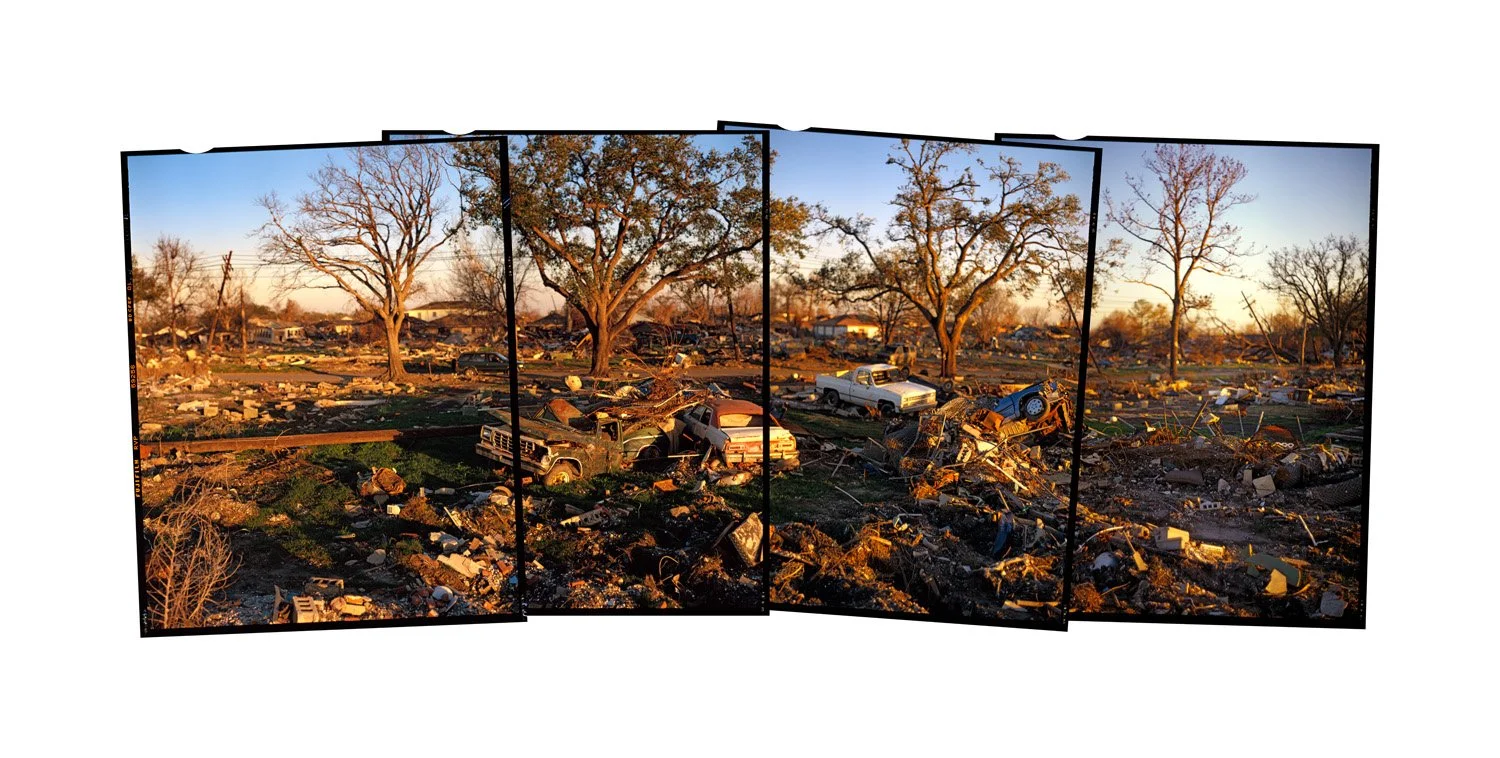
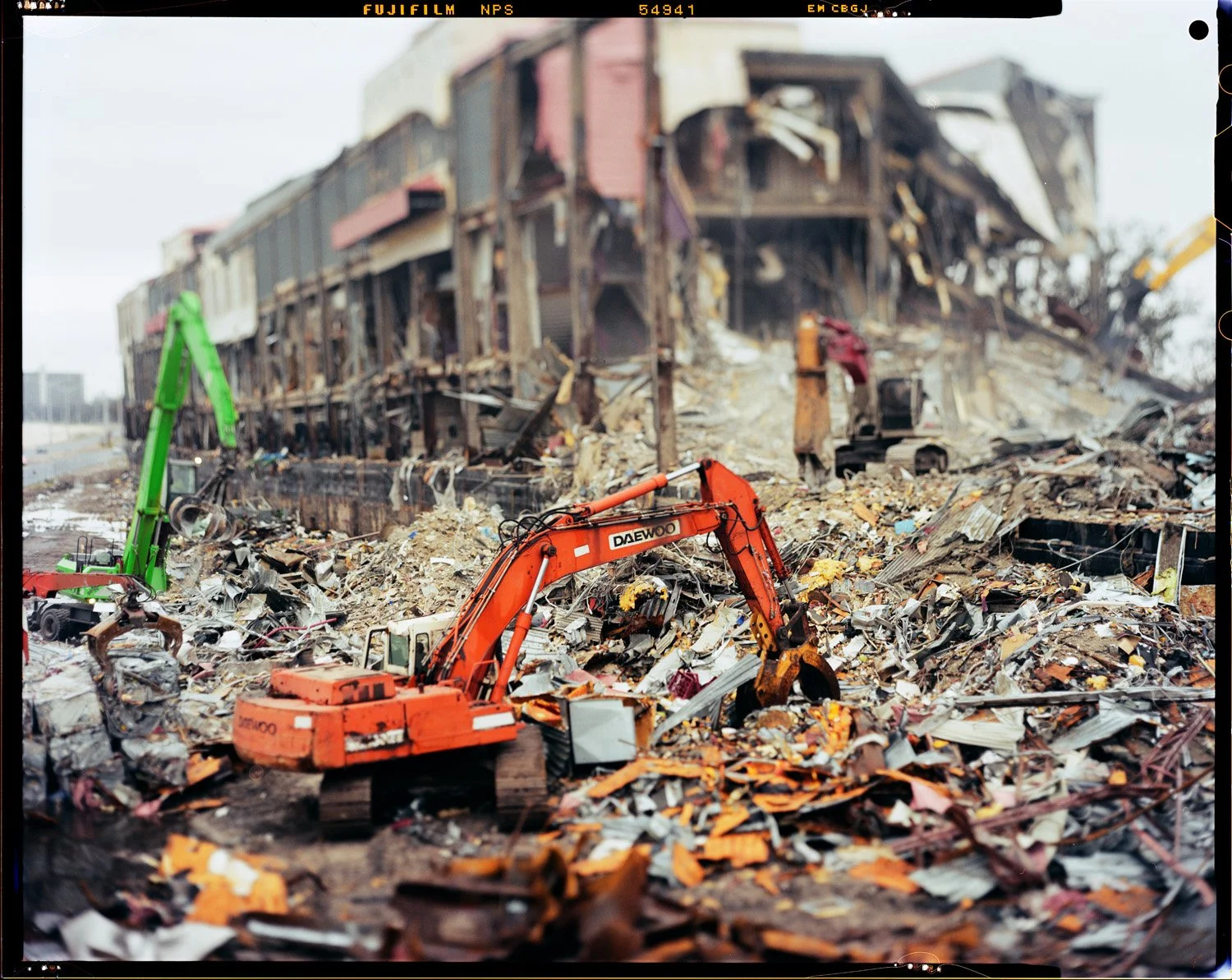
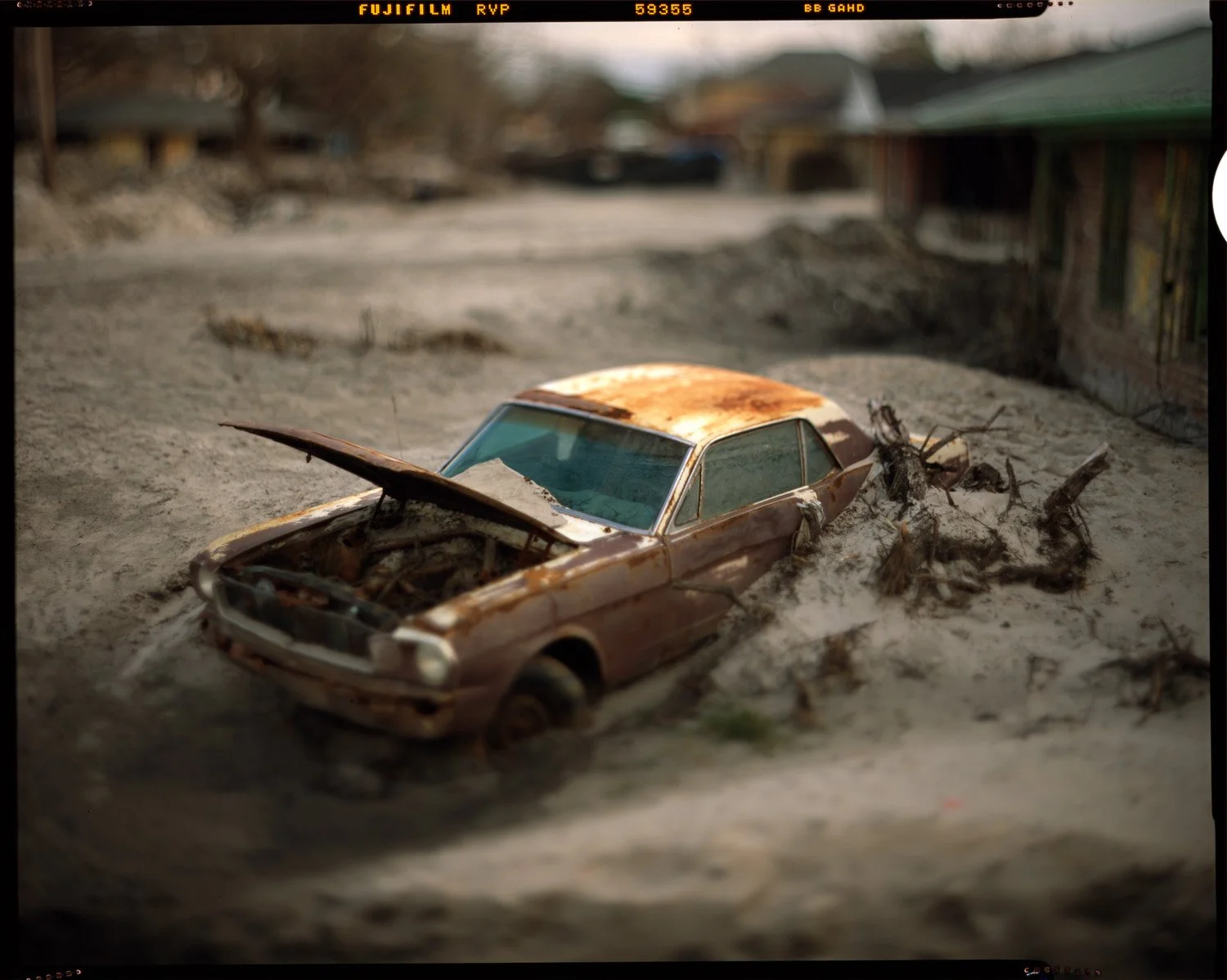
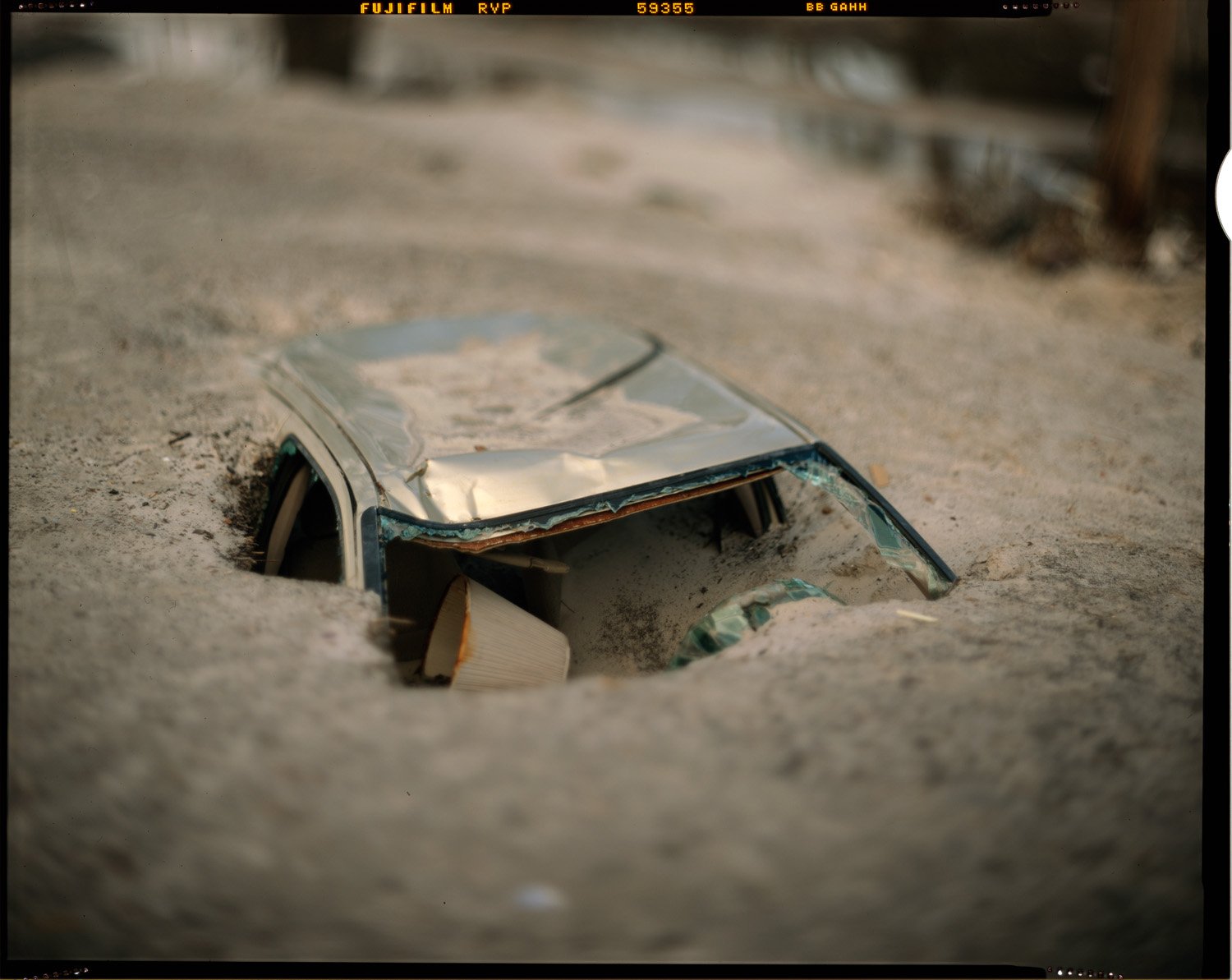
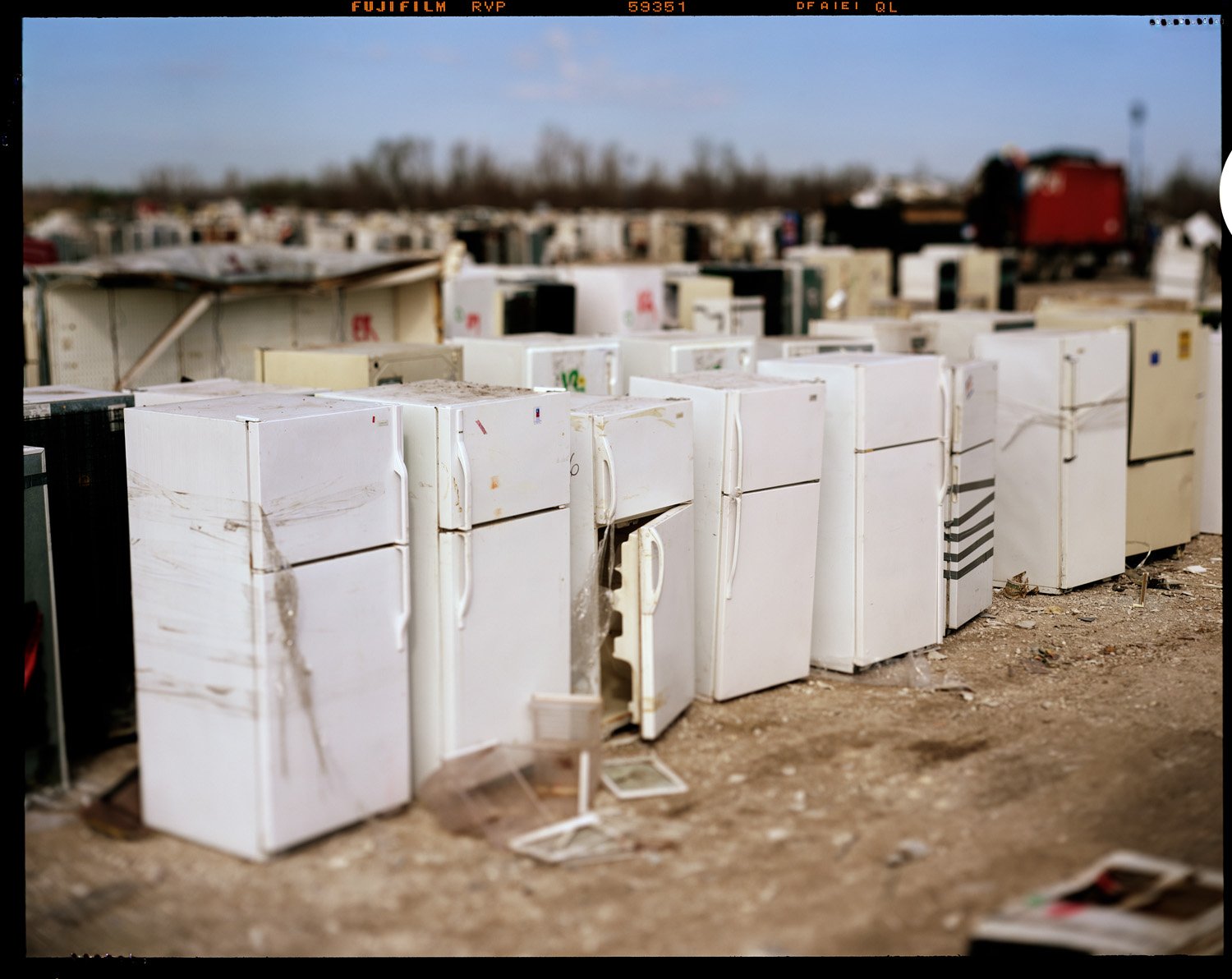
Traces: In the Path of Hurricane Helene features thirty-three color images made by American photographer David Burnett following the devastation of the Gulf Coast in 2005. Originally done at the request of National Geographic, these images were made six months after the disaster breached the levies of New Orleans and caused the deaths of nearly 2,000 people, leaving hundreds of thousands of others homeless. The exhibitions, curated by Robert Pledge, offers photographic “traces” in the form of meditative medium and large format images that give a glimpse of nature’s power, and the homes and lives forever altered.

EXHIBITION: TOO CLOSE
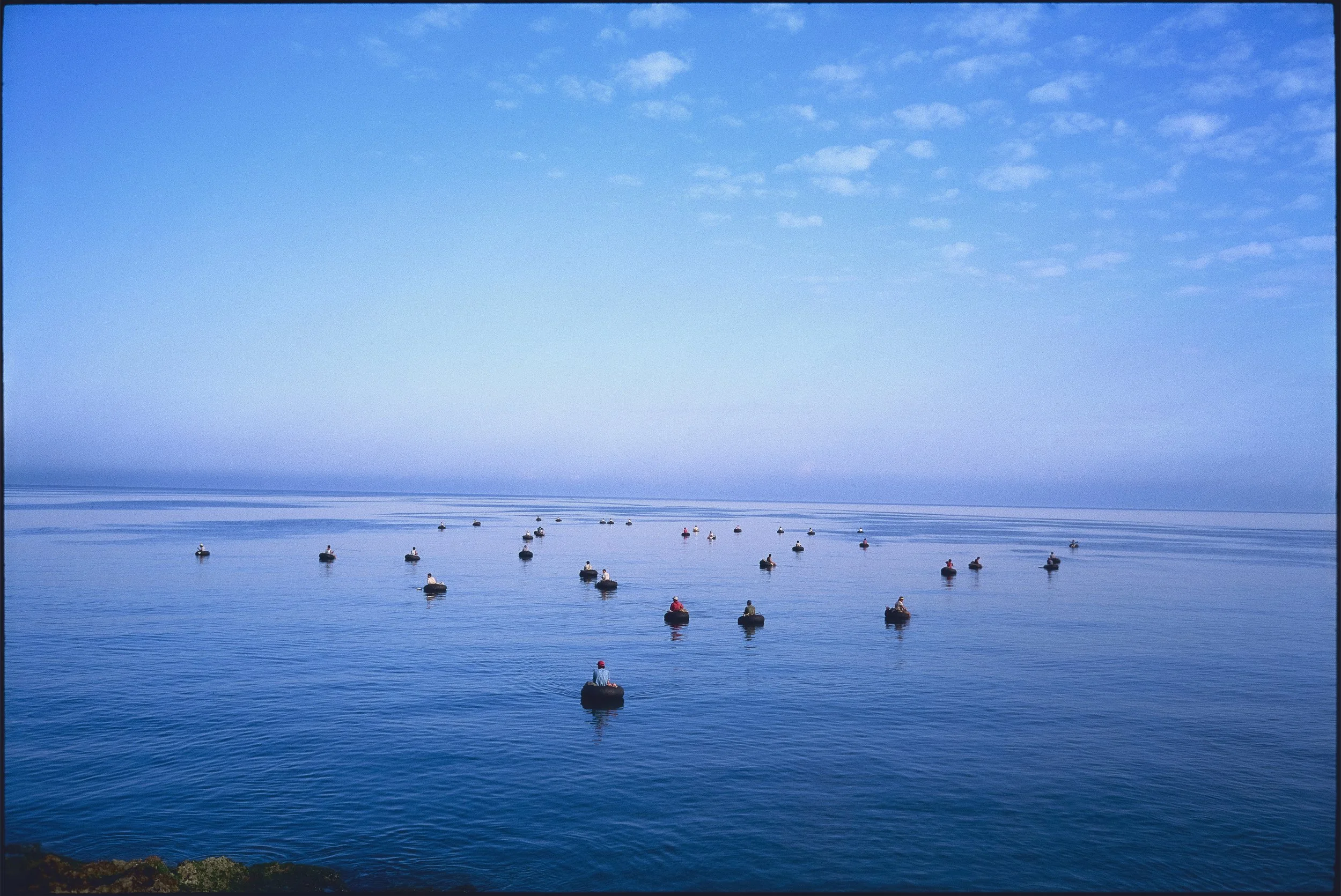
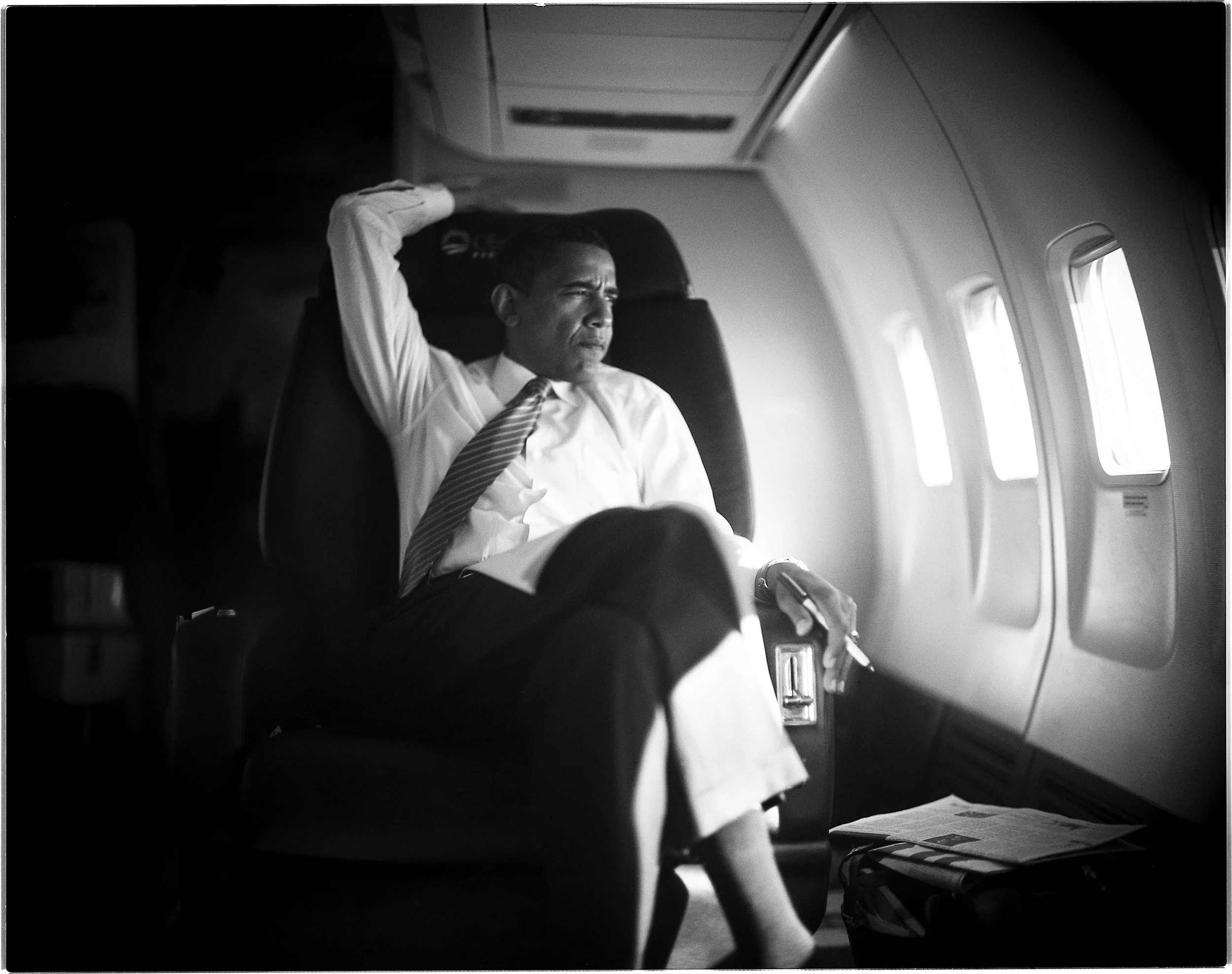
While Robert Capa’s famous dictum, “if your pictures aren’t good enough, you’re not close enough” has become a mantra of modern photojournalism, there is more to it than usually assumed - not only a question of physical distance but psychological closeness. Technology has delivered more and more powerful lenses and cameras over the years, and the In-Your_face imagery has become commonplace - yet in looking back over four decades of images, there is something to be said for backing up, for loosening the edges of the frame, for showing the context in which a subject appears, Life doesn’t merely exist inside the tight frame. And physical distance isn’t the only measure of proximity. Close is about a feeling, and understanding between subject and photographer.
This exhibition presents images from Burnett’s over four decades of work covering world events. All images are of historic moments or personalities taken throughout his career with this wider context in mind.
How close is Too Close? How close is Too Far? It remains the photographer’s choice. Each picture has its own structure, its own moment, its own limits. Letting a subject dwell in the visual world around is another way of being close.